You Won’t Believe What I Discovered in Monteverde’s Hidden Culture
Nestled in Costa Rica’s misty highlands, Monteverde isn’t just about cloud forests and ziplines—its soul runs deeper. I went searching for adventure but found something unexpected: a living culture shaped by mist, music, and quiet resilience. From family-run farms to local art tucked in mountain corners, every viewpoint told a story. This is more than travel—it’s connection. And honestly? I wasn’t ready for how much it changed my perspective.
First Glimpse: Arriving in Monteverde – A World Wrapped in Fog
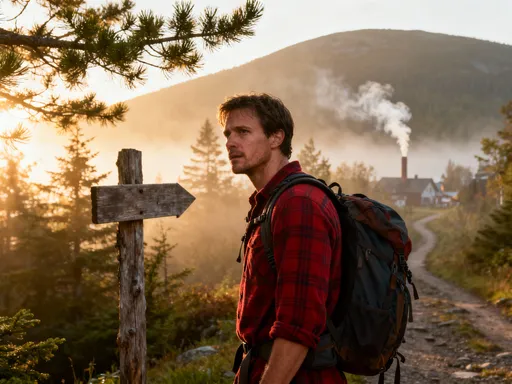
The journey to Monteverde begins long before you reach the town. After winding through rural lowlands dotted with banana plantations and roadside fruit stands, the road begins to climb. The air cools, the green deepens, and a soft mist rolls in like a whispered welcome. Suddenly, visibility narrows. Trees loom like silent sentinels, their branches draped in moss and epiphytes. The scent of damp earth and pine fills the breeze, and the only sounds are the distant ring of cowbells and the crunch of gravel underfoot. This is not a landscape that shouts; it murmurs. And in that hush, Monteverde reveals its first truth: this is a place shaped by stillness.
Founded in the 1950s by a small group of Quaker families from Alabama, Monteverde was established as a sanctuary—both from war and from the fast pace of modern life. These settlers arrived with a commitment to peace, sustainability, and community-based living. They purchased land not for profit, but for stewardship. Their values took root as deeply as the ancient oaks in the surrounding forests. Even today, that ethos lingers in the way people speak, the way they run businesses, and the way they welcome visitors—not with fanfare, but with quiet sincerity.
Unlike many tourist destinations in Costa Rica, where vibrant reggaeton beats spill from beachside bars and energy runs high, Monteverde feels contemplative. There are no neon signs, no all-inclusive resorts, and no crowds spilling into the streets at midnight. Instead, you’ll find small bakeries with hand-painted signs, community bulletin boards filled with announcements for yoga classes and farm markets, and neighbors who greet each other by name. The blend of North American pragmatism and Costa Rican warmth creates a cultural tone that is both familiar and refreshingly different.
This unique fusion is not performative—it is lived. The Quaker influence is evident in the emphasis on consensus, environmental responsibility, and education. At the same time, the local Tico culture infuses daily life with warmth, music, and a deep appreciation for family. The result is a destination where tourism exists not as an intrusion, but as a carefully managed guest in a community that values privacy, integrity, and connection to the land.
Beyond the Canopy: Why Culture Lives on the Ground, Not in the Trees
Most travelers come to Monteverde for the cloud forest—and rightly so. The canopy walks, the ziplines, the rare resplendent quetzal—these are wonders worth seeking. But in focusing so intently on the treetops, many overlook the cultural life unfolding at ground level. True culture here is not a show; it is a rhythm. It lives in the way farmers rotate crops without chemicals, how families gather for Sunday meals, and how decisions are made in community meetings rather than corporate boardrooms.
Ecotourism has brought economic stability to the region, but it has also created a tension: how to welcome visitors without losing authenticity. In some places, local traditions become commodified—reduced to staged performances or souvenir-shop clichés. In Monteverde, the community has worked deliberately to avoid this. Culture is not something to be packaged and sold; it is something to be lived and shared selectively. That means access is earned through respect, curiosity, and patience.
One of the most powerful expressions of this cultural identity is the Monteverde Cheese Factory, originally established by the Quaker settlers. Still run as a cooperative, it produces artisanal cheeses using milk from local farms. The process is slow, hands-on, and rooted in decades-old techniques. Visitors can tour the facility, but the experience is educational, not theatrical. There are no exaggerated demonstrations or costume-wearing actors—just real people making real food with care and pride.
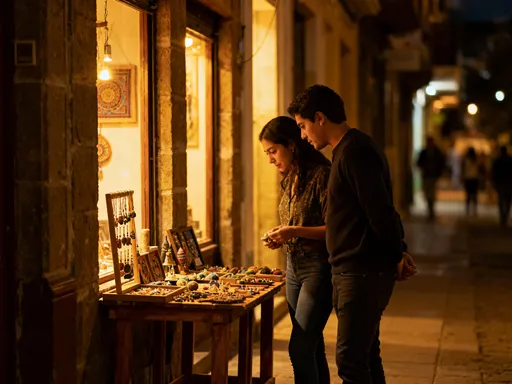
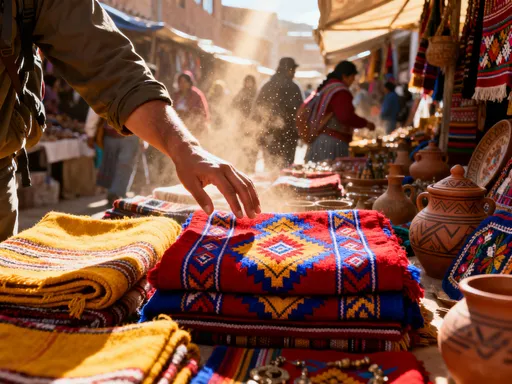
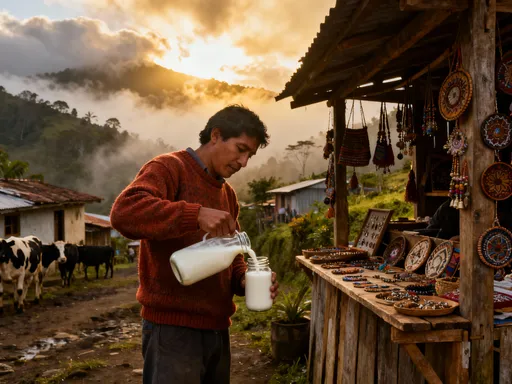
Similarly, small family-run stalls at the local market offer hand-carved wooden utensils, woven baskets, and jars of honey harvested from native bee species. These are not mass-produced trinkets. Each item carries the mark of its maker—the slight variation in grain, the irregular stitching, the faint scent of beeswax. When you buy one, you’re not just purchasing a souvenir; you’re supporting a way of life that values craftsmanship over convenience, sustainability over speed.
Voices of the Highlands: Conversations That Changed My View
One rainy afternoon, I stopped at a small farm stand on the edge of town. The owner, a woman in her sixties with weathered hands and a warm smile, offered me a cup of herbal tea brewed from leaves grown in her garden. As we sat under a tin roof listening to the rain patter down, she spoke about how her family had farmed this land for over fifty years. She explained their crop rotation system, the way they collect rainwater, and how they teach their grandchildren to identify native plants. There was no script, no performance—just a woman sharing her life with quiet dignity.
That conversation stayed with me. It wasn’t the kind of interaction I had expected on a vacation. There were no photo ops, no Instagrammable backdrops. But it was real. And in that reality, I began to understand the deeper values of this community: respect for the land, intergenerational knowledge, and a commitment to living slowly and intentionally.
Later that week, I attended a small music gathering at the local cultural center. A group of teenagers played traditional Costa Rican melodies on the marimba, their fingers moving quickly over the wooden keys. An older man, a retired schoolteacher, stood nearby, gently correcting their rhythm. Afterward, he spoke about the importance of preserving local music. “It’s not just about sound,” he said. “It’s about memory. When we play these songs, we remember who we are.”
Another morning, I joined a bilingual educator on a walk through a community garden. She described how schools in Monteverde teach both Spanish and English, not just for tourism, but to foster global awareness while maintaining local identity. “We want our children to be able to travel,” she said, “but we also want them to want to come back.” That balance—between openness and rootedness—seemed to echo everywhere I went.
These conversations did not happen at tourist hotspots. They unfolded in kitchens, gardens, and community halls. They required time, presence, and a willingness to listen. But they offered something no guided tour ever could: a glimpse into a culture that values continuity, care, and quiet resilience.
Food as Heritage: Flavors That Tell a Story
In Monteverde, every meal is a quiet act of cultural preservation. At local sodas—small, family-run eateries—you won’t find gourmet plating or fusion cuisine. What you will find is warmth, generosity, and food made with ingredients grown just miles away. A typical plate might include gallo pinto (a mix of rice and beans), fried plantains, a fried egg, and a side of fresh cheese. Simple? Yes. Meaningful? Profoundly.
The region’s dairy tradition, rooted in Quaker farming practices, is one of its most enduring legacies. Cows graze on lush pastures, milked daily and processed into cheeses that range from soft and creamy to aged and sharp. These cheeses appear on breakfast tables, in empanadas, and alongside fresh bread baked in wood-fired ovens. The bread itself—crusty on the outside, tender within—carries the scent of time and tradition. It is not made quickly. It is not mass-produced. It is made with care, often before sunrise, by hands that have shaped dough for decades.
Coffee, too, is more than a beverage here. It is a ritual. Most farms grow their own beans, drying them on raised beds and roasting them in small batches. In homes and cafes alike, coffee is served black, strong, and slow. It is sipped during morning conversations, offered to guests as a sign of welcome, and used as a moment to pause in the day. There is no rush. There is only presence.
What makes Monteverde’s food culture so powerful is not its complexity, but its integrity. Ingredients are traceable. Recipes are passed down. Waste is minimized. This is not “farm-to-table” as a trend; it is farm-to-table as a way of life. Even the use of banana leaves to wrap tamales or serve snacks reflects a deep-rooted respect for nature—biodegradable, beautiful, and functional.
For travelers, sharing a meal in a local home or soda is one of the most authentic ways to connect. It requires no translation beyond a smile and a thank you. And in that shared act of eating, something deeper is exchanged: gratitude, hospitality, and the unspoken understanding that food is not just fuel—it is memory, identity, and love made tangible.
Art in the Mist: Hidden Galleries and Mountain Creativity
Drive down any backroad in Monteverde, and you might spot a hand-painted sign pointing to an artist’s studio. These are not grand galleries with velvet ropes and price lists. They are humble spaces—converted garages, sunlit barns, quiet corners of family homes—where creativity thrives in solitude. The art here is not made for fame or fortune. It is made because the mist inspires it, the silence demands it, and the hands know no other way.
Wood carving is one of the most cherished traditions. Local artists use sustainably harvested cedar, oak, and guanacaste wood to create intricate figures—birds in mid-flight, faces etched with wisdom, animals emerging from the grain as if they were always there. Each piece is unique, shaped not only by the artist’s vision but by the natural contours of the wood. There is a humility in this work—a recognition that the material has its own story to tell.
Equally striking are the sculptures made from recycled metal. Artists bend old farm tools, bicycle parts, and discarded machinery into graceful forms—butterflies with wings of wrenches, trees with leaves of bottle caps, hummingbirds forged from screws and springs. These works speak to the region’s inventive spirit and deep environmental ethics. Nothing is wasted. Everything has potential.
Textile arts also hold a quiet prominence. Women in the community weave colorful blankets, table runners, and bags using traditional looms. Patterns often reflect nature—vines, clouds, raindrops—while colors are drawn from natural dyes made from roots, flowers, and bark. These textiles are not just decorative; they are heirlooms, passed from mother to daughter, carrying both beauty and history.
What sets Monteverde’s art apart is its resistance to commercialization. While some pieces are sold, many are created simply for the joy of creation. Artists open their studios not for profit, but for connection. They welcome visitors who come with genuine interest, who ask questions, who take the time to understand. In this way, art becomes a bridge—not just between maker and viewer, but between cultures, generations, and ways of seeing the world.
Choosing the Right Path: How to Experience Culture Responsibly
To experience Monteverde’s culture authentically, you must first slow down. This is not a destination for checklist tourism. You won’t find your way into the heart of the community by rushing from zipline to canopy walk to souvenir shop. True connection requires presence, humility, and a willingness to step off the beaten path.
One of the best ways to begin is by staying in a family-run lodge or guesthouse. These accommodations offer more than a bed; they offer a window into daily life. Hosts often share meals, offer local advice, and may even invite you to join in simple tasks like feeding chickens or harvesting herbs. The exchange is mutual: you gain insight, and they gain support for their livelihood.
Participating in farm tours or cooking classes is another meaningful choice. These experiences are not staged for entertainment. They are working farms and kitchens, where people live and labor every day. When you learn to make cheese, bake bread, or plant a seed, you are not just learning a skill—you are honoring a tradition.
Attending local events—such as a school concert, a community fair, or a seasonal festival—can also deepen your understanding. These gatherings are not designed for tourists, but locals often welcome respectful visitors. A simple “buenos días,” a smile, and a quiet presence go a long way. Avoid intrusive photography; instead, ask permission and engage in conversation when invited.
Equally important is knowing when to step back. Some moments are not for observation. Some spaces are private. True respect means recognizing boundaries and honoring the right of a community to live on its own terms. Responsible travel is not about access; it is about awareness. It is about listening more than speaking, observing more than performing, and leaving with gratitude rather than just photos.
Slow travel is not passive. It is intentional. It asks you to be present, to be curious, and to be humble. And in return, it offers something rare: the chance to connect not just with a place, but with the people who call it home.
Why Monteverde’s Culture Matters – And What We Can Learn
In an age of mass tourism, where destinations are often reduced to hashtags and highlight reels, Monteverde stands as a quiet reminder of what travel can be. It shows us that conservation and culture are not separate goals—they are intertwined. Protecting the cloud forest means nothing if the community that protects it is erased in the process.
The balance Monteverde has struck—between welcoming visitors and preserving identity—is not easy. It requires constant negotiation, shared values, and a deep commitment to sustainability in all forms: environmental, economic, and cultural. The cooperative model, the emphasis on education, the celebration of local art and food—these are not accidents. They are choices, made over decades, to live differently.
For travelers, this offers a powerful lesson: adventure is not just about seeing new landscapes. It is about encountering new ways of being. It is about understanding that every community has wisdom to offer—that slow living, stewardship, and intergenerational care are not relics of the past, but vital responses to the challenges of the present.
Monteverde’s example is especially relevant in a world grappling with climate change, cultural homogenization, and the erosion of local knowledge. It proves that small communities can lead with integrity. It shows that tourism, when guided by ethics, can support rather than exploit. And it reminds us that the most meaningful journeys are not those that change the scenery, but those that change the traveler.
When we travel with curiosity and respect, we do more than see the world—we help preserve its diversity. We become stewards, not just spectators. And in doing so, we carry forward the quiet lessons of places like Monteverde: that value is not measured in speed or scale, but in care, continuity, and connection.
Conclusion: A Place That Changes How You See
Leaving Monteverde, I realized I was not the same traveler who had arrived days before. I had come for the cloud forest, the ziplines, the birds. I left with something deeper—a quiet shift in perspective. The greatest views, I learned, are not from platforms high in the trees. They are from standing eye-to-eye with the people who live here, listening to their stories, sharing their meals, and recognizing the strength in their stillness.
Monteverde does not shout. It does not dazzle. It does not demand attention. But if you slow down, if you listen, if you come with respect, it will reveal itself—not as a destination, but as a way of being. And in that revelation, you may find not just a new place, but a new way to travel, and perhaps, a new way to live.
So go to Monteverde. Walk its misty trails, breathe its cool air, marvel at its wonders. But do not stop there. Seek out the farm stands, the quiet studios, the family tables. Ask questions. Listen deeply. And carry this lesson forward: the soul of a place is not in its postcard views, but in its people, its rhythms, and its quiet, enduring strength. Travel deeper. The world is waiting—not to be conquered, but to be understood.