This Is Why Antalya’s Wild Terrain Will Steal Your Heart
You know that feeling when nature just hits you in the soul? That’s Antalya. Nestled between the Taurus Mountains and the Mediterranean, this Turkish gem isn’t just about beaches—it’s a cultural journey shaped by dramatic cliffs, hidden canyons, and ancient villages clinging to stone. I never expected how deeply the land itself tells a story. From shepherd paths to Roman aqueducts carved into rock, the terrain isn’t just scenery—it’s heritage. The way the earth rises from turquoise shores into jagged peaks feels like a living map of time, where every slope and stream whispers of civilizations that learned to thrive in harmony with nature’s demands. Antalya’s landscape is not merely beautiful—it is formative.
Where Mountains Meet the Sea
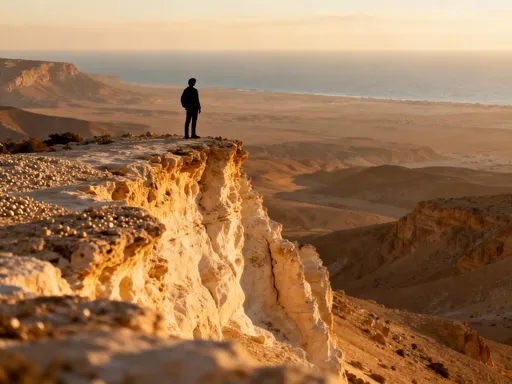
Antalya occupies one of the most geologically dramatic zones along the southern coast of Turkey, where the Mediterranean Sea laps against a coastline abruptly lifted into the Taurus Mountains. This mountain range, stretching across southern Anatolia, forms a formidable backbone that rises sharply from sea level to over 3,000 meters within just a few dozen kilometers. This steep gradient creates an extraordinary range of microclimates, allowing citrus groves to flourish near the shore while alpine meadows bloom at higher elevations. The contrast is immediate and breathtaking—one moment you’re on a sun-drenched beach, and within an hour’s drive, you’re wrapped in cool mountain air, surrounded by pine forests and wildflowers.
The terrain has long dictated human settlement patterns. Ancient communities recognized the strategic and agricultural advantages of elevated land. Plateaus and south-facing slopes offered protection from coastal invasions and flooding, while also capturing more sunlight for crops. Villages were built on ridgelines where visibility extended for miles, enabling early warning systems long before modern communication. These high ground settlements also benefited from natural drainage and reduced humidity, minimizing the risk of disease. Terraced farming, still visible across the hillsides, was developed not only to maximize arable land but also to prevent erosion on steep inclines.
What makes Antalya’s geography so remarkable is how consistently the land has shaped human adaptation. The Taurus range acted as both a barrier and a corridor—difficult to cross, yet riddled with ancient passes that became vital trade and migration routes. Over centuries, these pathways evolved into roads connecting inland Anatolia with the Mediterranean ports. The interplay between sea and summit created a unique cultural crossroads, where maritime influences met highland traditions. Even today, the region’s identity reflects this duality: coastal towns buzz with tourism and commerce, while mountain villages preserve rhythms unchanged for generations.
The Pulse of Rural Life in the Highlands
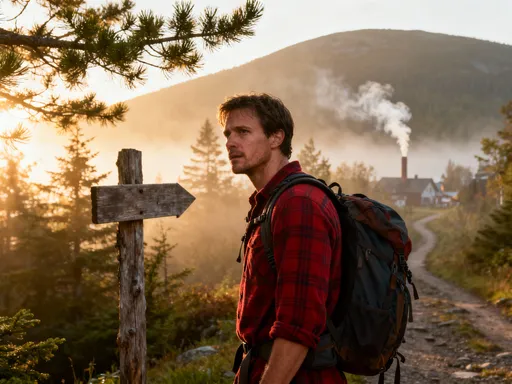
High in the Taurus Mountains, life moves to the rhythm of the seasons. In villages like Sorgun, Kemer, and Ovacık, daily routines are still intertwined with the land. These settlements, often accessible only by winding mountain roads, have preserved traditional ways of living that have faded elsewhere. Terraced agriculture dominates the landscape—stone-walled plots carved into hillsides support crops of potatoes, beans, and barley. In spring, women and elders can be seen planting seedlings by hand, their movements slow and deliberate, shaped by decades of working the soil.
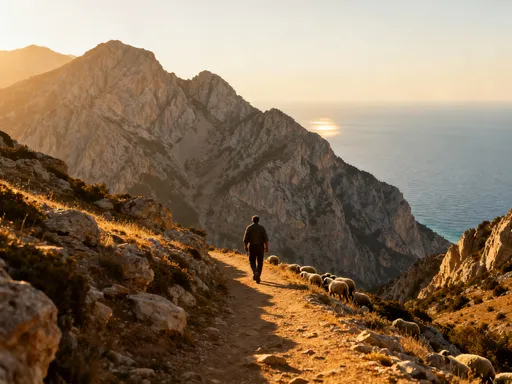
One of the most enduring traditions is transhumance, the seasonal migration of livestock between summer and winter pastures. In late spring, shepherds lead flocks of sheep and goats up narrow trails to highland meadows, where cooler temperatures and fresh grass provide ideal grazing. They live in simple stone huts or canvas shelters, often without electricity or running water, returning to their villages only in autumn. This practice has not only sustained rural economies but also maintained ecological balance by preventing overgrazing in any single area. The animals themselves are central to village life—providing milk, cheese, wool, and meat, and often serving as a family’s primary source of income.
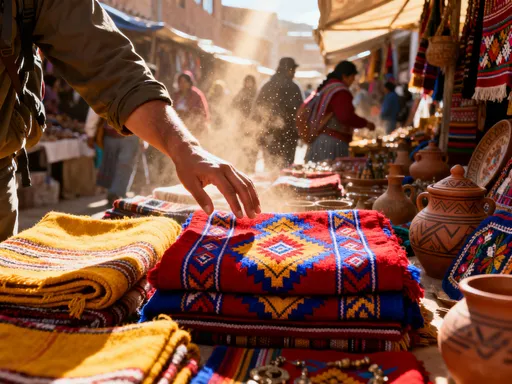
The isolation imposed by rugged terrain has also preserved linguistic and cultural distinctiveness. Some mountain communities speak dialects of Turkish that differ significantly from the standard language, with vocabulary and pronunciation influenced by historical interactions with neighboring regions. Local crafts such as wool weaving, basket making, and hand-carved wooden tools are still practiced, often passed down from mother to daughter or father to son. Open-air markets, held weekly in village centers, are more than economic hubs—they are social gatherings where news is exchanged, marriages are arranged, and traditions are reinforced. The terrain, by limiting outside influence, has become a guardian of cultural continuity.
Canyons That Hold Centuries of Stories
If the mountains define Antalya’s verticality, its canyons reveal its depth—both geological and historical. The Manavgat Canyon, one of the region’s most famous natural wonders, cuts through limestone like a blade, with walls rising over 300 meters on either side. The Manavgat River, which carved this chasm over millions of years, still flows with powerful clarity, its turquoise waters attracting rafters and swimmers in summer. But beyond recreation, the canyon served as a vital corridor for ancient civilizations. Its natural passage allowed movement between the coast and the interior, making it a strategic route for trade and military campaigns.
Equally significant is Köprülü Canyon, located within the boundaries of Köprülü Canyon National Park. This protected area is home to one of Turkey’s most biodiverse ecosystems, with dense forests of cedar, pine, and oak sheltering wild boar, foxes, and numerous bird species. The canyon’s river remains a lifeline for local communities, supporting irrigation and small-scale fishing. Along its banks, remnants of ancient life are still visible—ruins of stone bridges, water mills, and cave dwellings hint at a time when this rugged landscape was not an obstacle but a resource. The Roman-built bridge near the park entrance, though partially collapsed, stands as a testament to engineering ingenuity adapted to natural constraints.
These canyons were more than transportation routes—they were centers of production and settlement. The constant flow of water powered grain mills, while sheltered caves provided homes for hermits, refugees, and seasonal workers. Archaeological surveys have uncovered pottery fragments, coins, and tools dating back to the Hellenistic and Byzantine periods, confirming long-term human presence. Today, guided hikes along canyon trails often include stops at these historical sites, blending outdoor adventure with cultural education. The experience of walking where ancient traders once passed, listening to the same river roar through stone, creates a profound sense of connection across time.
Coastal Cliffs and the Legacy of Seafaring Culture
Along Antalya’s shoreline, the land does not gently meet the sea—it confronts it. Steep limestone cliffs plunge into the Mediterranean, creating a coastline that is as beautiful as it is unforgiving. This dramatic topography shaped the development of ports and maritime trade. Kaleiçi, the historic old town of Antalya, was built within a natural harbor protected by these cliffs, offering shelter from strong winds and rough seas. The fortress walls that still encircle the district were constructed not only for defense but also to anchor the settlement against landslides and erosion caused by the unstable terrain.
Despite the challenges, Antalya’s position made it a natural hub for seafaring. Ancient mariners navigating the southern coast of Anatolia relied on its safe anchorage, and over centuries, the port became a crossroads for goods from the Middle East, North Africa, and Europe. Ships carried spices, textiles, and ceramics, while local products like olive oil, honey, and dried fruits were exported. The difficult coastline meant that only skilled sailors could approach certain areas, which inadvertently protected the region from frequent raids. Over time, a distinct maritime culture emerged—one that valued navigation, craftsmanship, and resilience.
This seafaring legacy is still reflected in local cuisine. The abundance of fresh seafood—anchovies, sea bass, octopus, and red mullet—is a direct result of the rich marine life supported by rocky shores and underwater caves. Fishing remains a family tradition in many coastal villages, with small boats setting out at dawn and returning by mid-morning with the day’s catch. Citrus orchards, another hallmark of the coastal economy, thrive on terraced plots built into cliff faces. The microclimate created by sea breezes and sun-exposed slopes produces some of Turkey’s sweetest oranges and lemons, which appear in everything from desserts to savory dishes. The terrain, once a challenge to settlement, now defines the region’s culinary identity.
Ancient Engineering Born from Rugged Land
The civilizations that flourished in Antalya did not conquer the landscape—they collaborated with it. Roman and Hellenistic engineers demonstrated remarkable adaptability in designing infrastructure that worked with, rather than against, the natural contours of the land. Aqueducts, such as the well-preserved structure near Aspendos, were not built in straight lines but followed the curves of valleys and hills, using gravity to transport water over long distances. These aqueducts supplied not only cities but also agricultural terraces and public baths, forming the backbone of urban life.
Roads, too, were engineered with terrain in mind. Instead of flattening mountains, builders carved switchbacks into slopes, creating paths that minimized elevation gain while maximizing stability. Watchtowers were placed at strategic vantage points, allowing sentries to monitor both land and sea routes. The city of Perge, located inland from the coast, exemplifies this integration of nature and design. Its streets follow the natural slope of the land, facilitating drainage and reducing construction costs. The theater and stadium were built into the hillside, using the earth as structural support and natural acoustics.
Perhaps the most iconic example is the Aspendos Amphitheatre, perched on a gentle rise with views of the surrounding plains. Its location was chosen not only for visibility but also for sound projection and ventilation. The stage backdrop faces east, allowing morning light to illuminate performances, while the curved seating follows the hill’s contour, ensuring unobstructed sightlines. These architectural choices were not merely aesthetic—they were practical solutions to environmental challenges. The legacy of this engineering philosophy endures in modern construction practices, where sustainable design increasingly emphasizes working with natural landscapes rather than altering them.
Modern Adventures Rooted in Natural Challenges
Today, Antalya’s rugged terrain offers a playground for adventure seekers, but one that remains deeply connected to its historical roots. Hiking trails like the Lycian Way—stretching over 500 kilometers along the coast—follow ancient footpaths once used by traders, shepherds, and pilgrims. Modern trekkers walk the same stone steps, pass through the same mountain passes, and rest at the same springs that sustained travelers centuries ago. The experience is not just physical but cultural, offering glimpses into village life and centuries-old land use patterns.
Rafting on the Köprülü River has become a popular activity, drawing visitors eager to navigate Class II and III rapids surrounded by towering cliffs and lush forest. Operators emphasize safety and environmental responsibility, using eco-friendly boats and limiting group sizes to reduce impact. Paragliding from the peaks above Ölüdeniz offers another perspective—soaring above the coastline, adventurers witness the full drama of Antalya’s geography, from the deep blue sea to the folded ridges of the Taurus. These activities are not just recreational; they represent a continuation of humanity’s relationship with challenging landscapes, now expressed through sport and exploration.
Sustainable tourism initiatives are helping to protect Antalya’s fragile ecosystems while supporting local economies. Homestay programs in mountain villages allow travelers to experience rural life firsthand, often sharing meals with families and participating in daily chores. Local guides, many of whom are former shepherds or farmers, lead tours with deep knowledge of the land and its history. Conservation efforts include trail maintenance, waste management, and reforestation projects, often funded by tourism revenue. For visitors, responsible travel means staying on marked paths, respecting wildlife, and supporting community-based businesses. The goal is not to exploit the terrain but to honor it.
For those planning a visit, timing and preparation are key. The best seasons for outdoor activities are spring (April to June) and autumn (September to October), when temperatures are mild and rainfall is low. Summer can be extremely hot, especially in canyons and lowland areas, while winter brings snow to higher elevations, closing some mountain roads. Proper gear—sturdy hiking boots, layered clothing, and sun protection—is essential. Most importantly, travelers should approach the landscape with humility, recognizing that they are guests in a place shaped by centuries of human and natural history.
Why the Land Still Shapes Identity
To understand Antalya is to recognize that its people are not separate from the land—they are its expression. The terrain has shaped not only how communities build and farm but also how they sing, dress, and welcome strangers. In mountain villages, traditional music often features reed flutes and drums, instruments whose rhythms mimic the wind through canyons or the beat of hooves on stone paths. Women’s clothing, with embroidered vests and woven belts, reflects both local aesthetics and practical needs—durable fabrics for working the land, bright colors to stand out against muted mountain backdrops.
Hospitality, deeply rooted in rural culture, is another manifestation of the terrain’s influence. In isolated communities, survival has long depended on mutual aid. A traveler caught in a storm, a shepherd lost in the fog—these are not strangers to be feared but neighbors to be helped. This ethos persists today, with families routinely inviting visitors into their homes for tea or a meal. Festivals, often tied to harvests or seasonal migrations, are communal celebrations that reinforce social bonds. The sound of drums and zurna at a village wedding, the shared labor of cheese-making in spring, the collective joy of returning flocks—all are expressions of a culture shaped by interdependence and resilience.
Conversations with locals reveal a quiet pride in their connection to the land. An elderly woman in Sorgun once told me, “The mountain teaches patience. It does not give everything at once.” A fisherman in Kemer spoke of reading the sea’s moods like a book—knowing when to cast nets, when to stay ashore. These insights are not folklore; they are lived wisdom, passed down through generations. The terrain is not just a backdrop to life—it is a teacher, a provider, and a keeper of memory.
Antalya’s soul isn’t just in its ruins or resorts—it’s written in the cliffs, rivers, and mountain paths. The land shaped how people lived, traded, and celebrated. To travel here is to walk through layers of history molded by nature. When we respect the terrain, we honor the culture it created. As global tourism continues to grow, the challenge will be to preserve this harmony—ensuring that future generations can still feel that moment when nature hits you in the soul. Because in Antalya, the earth doesn’t just hold history—it breathes it.