Uncorking Wealth: How Fine Wine Became My Smart Portfolio Move
What if one of your best-performing assets didn’t live in a stock account or a real estate deed—but in a temperature-controlled cellar? I never thought wine could be more than a weekend indulgence—until I discovered how rare vintages appreciate over time, often outpacing traditional markets. This isn’t about drinking your money away; it’s about strategic allocation. Let me walk you through how adding wine to my investment portfolio changed my entire approach to diversification, risk, and long-term growth. What began as curiosity evolved into a disciplined strategy that balances passion with prudence, offering both financial returns and personal satisfaction. Fine wine, when selected and managed wisely, is not a luxury expense—it’s a tangible, appreciating asset that belongs in the conversation about smart wealth building.
A Different Kind of Asset: Rethinking Portfolio Building
Traditional investment portfolios typically revolve around stocks, bonds, and real estate—assets that fluctuate with market sentiment, interest rates, and economic cycles. Yet in recent decades, a growing number of investors have turned to alternative assets to diversify their holdings and reduce volatility. Among these, fine wine has emerged as a compelling and increasingly accessible option. Unlike paper-based investments, wine is a physical asset with inherent scarcity, particularly when it comes to top-tier vintages from regions like Bordeaux, Burgundy, Napa Valley, or Tuscany. Each bottle represents a finite product; once a vintage is sold out, no more can be produced, making availability inherently limited. This scarcity, combined with the natural aging process that enhances the complexity and desirability of certain wines, creates the foundation for long-term value appreciation.
One of the most significant advantages of including wine in a portfolio is its low correlation with traditional financial markets. While equities may decline during periods of economic uncertainty, fine wine has often maintained or even increased in value. For example, during the 2008 financial crisis, while stock markets plummeted, the Liv-ex Fine Wine 100 Index—which tracks the performance of the most sought-after wines—saw only a modest dip before recovering strongly in the following years. This resilience stems from the fact that wine collectors and investors often view rare bottles as stores of value, similar to gold or art. The demand is driven not by quarterly earnings reports but by connoisseurship, provenance, and the cultural significance of certain vintages. As global wealth expands, particularly in emerging markets like China and Southeast Asia, demand for iconic wines continues to rise, further supporting price stability and growth.
However, it is crucial to distinguish between wine as a consumable and wine as an investment. The latter requires a mindset shift—from enjoyment in the short term to preservation and strategic timing in the long term. An investment-grade bottle is not meant to be opened immediately; it is meant to mature under optimal conditions until market demand and aging potential align for maximum return. This means focusing on wines with strong track records of appreciation, such as first-growth Bordeaux estates like Château Lafite Rothschild or Château Margaux, or legendary Burgundies from Domaine de la Romanée-Conti. These names carry decades of consistent performance and global recognition, making them the cornerstone of any serious wine investment strategy. By treating wine not as a beverage but as a curated asset, investors can unlock a unique path to portfolio diversification and long-term wealth preservation.
Why Wine? The Case for Long-Term Appreciation
The argument for wine as a long-term investment rests on its historical performance and the economic principles that govern its value. Over the past 30 years, the fine wine market has demonstrated consistent growth, with top vintages outperforming many traditional asset classes. According to data from the Liv-ex Investment Index, fine wine returned an average of 10.5% annually between 2000 and 2020, surpassing both the S&P 500 and gold during certain periods. This appreciation is not random—it is driven by a combination of supply constraints, increasing global demand, and the role of expert validation in shaping market perception. Unlike mass-produced consumer goods, the finest wines are made in limited quantities, often with only a few thousand bottles released per vintage. Once these bottles are distributed, no additional supply enters the market, creating a natural imbalance between demand and availability as time passes.
Provenance—the documented history of a wine’s ownership and storage conditions—is one of the most critical factors influencing value. A bottle that has been stored in a temperature- and humidity-controlled environment, with a clear chain of custody, will command a significantly higher price than one with uncertain origins. This is because improper storage can cause premature aging, oxidation, or cork failure, all of which degrade the wine’s quality and marketability. Investors who prioritize provenance are not just protecting their asset—they are enhancing its credibility and liquidity in the secondary market. Additionally, critical ratings from influential wine critics such as Robert Parker, Jancis Robinson, or Antonio Galloni can have an immediate and substantial impact on prices. A 98-point rating from Parker, for instance, can trigger a 30% or greater increase in value within weeks, as collectors and traders rush to acquire the newly acclaimed vintage.
Another key driver of appreciation is the aging curve of fine wine. While most wines are meant to be consumed within a few years of release, investment-grade bottles are crafted to evolve over decades. As they mature, their complexity, balance, and aromatic profile improve, reaching a peak that can last for years. This transformation enhances their desirability among connoisseurs, who are willing to pay a premium for perfectly aged examples. For example, a 1982 Château Pétrus, once priced at a few hundred dollars per bottle, now trades for tens of thousands due to its legendary status and exceptional aging potential. The ability to anticipate and capitalize on these aging milestones is what separates successful wine investors from casual collectors. By selecting wines with proven longevity and monitoring their development, investors can time their sales to coincide with peak demand, maximizing returns while contributing to the cultural appreciation of these liquid treasures.
The Risks Behind the Label: Not All Wine Is an Investment
Despite its potential for strong returns, wine investing is not without risk—and understanding these risks is essential for any investor considering this asset class. The most fundamental misconception is assuming that all expensive wines are good investments. In reality, the vast majority of wines, even those from prestigious regions, do not appreciate in value. Most are intended for early consumption and lose quality after a few years in the bottle. Only a small fraction—typically those from top producers with limited production, strong critical acclaim, and global demand—demonstrate consistent long-term appreciation. Investing in the wrong bottle can result in depreciation rather than growth, turning what seemed like a safe bet into a financial loss.
Storage conditions play a critical role in determining whether a wine retains or loses value. Temperature fluctuations, exposure to light, and improper humidity levels can damage the wine, leading to spoilage or premature aging. A bottle stored in a kitchen cabinet or a garage, where temperatures vary widely, is far less valuable than one kept in a professional climate-controlled facility. Even minor issues like a slightly pushed cork or seepage can signal potential problems and reduce market confidence. Fraud is another serious concern in the fine wine market. Counterfeit bottles, particularly of rare and high-value vintages, have been discovered in auctions and private sales, sometimes involving elaborate forgeries of labels and packaging. Without expert authentication, buyers risk paying top dollar for fake or tampered products.
Liquidity is another challenge. Unlike stocks or ETFs, which can be sold instantly on public exchanges, fine wine requires a specialized marketplace. Selling a rare bottle often involves working with auction houses, private dealers, or online platforms, all of which take time and incur fees. The process can take weeks or even months, depending on market conditions and buyer interest. Additionally, transaction costs—including seller’s commissions, buyer’s premiums, and insurance—can erode profits. For example, major auction houses typically charge sellers a commission of 10–15%, while buyers pay an additional premium of 12–25%. These expenses must be factored into any investment decision to ensure that net returns remain positive. Finally, wine is not a regulated financial instrument, meaning there is no oversight body guaranteeing authenticity or pricing transparency. This lack of standardization places a greater burden on the investor to conduct due diligence, seek expert advice, and maintain meticulous records of purchase, storage, and provenance.
Building a Balanced Wine Portfolio: Selection and Strategy
Just as a well-diversified stock portfolio includes a mix of sectors, market caps, and geographies, a successful wine investment strategy requires careful selection and diversification across regions, vintages, and producers. The foundation of any wine portfolio should be established, blue-chip names with a long history of appreciation. In Bordeaux, this means focusing on the five First Growths—Château Lafite Rothschild, Château Latour, Château Margaux, Château Mouton Rothschild, and Château Haut-Brion—as well as other highly rated estates in Pauillac, Saint-Émilion, and Pomerol. In Burgundy, Domaine de la Romanée-Conti, Domaine Leroy, and Domaine Armand Rousseau represent the pinnacle of quality and value retention. These wines have consistently delivered strong returns over decades and are widely recognized by collectors and institutions worldwide.
While blue-chip wines provide stability, a balanced portfolio also includes strategic allocations to emerging producers and regions with high growth potential. For example, cult wineries in California such as Screaming Eagle, Harlan Estate, and Opus One have gained international acclaim and demonstrated impressive appreciation since their inception. Similarly, premium producers in Italy—such as Sassicaia from Tuscany or Gaja from Piedmont—have built reputations for excellence and scarcity, making them attractive additions. Diversifying across vintages is equally important. While legendary years like 1982, 2000, or 2009 are highly sought after, strong but less hyped vintages can offer better value and room for growth. By spreading investments across multiple years, investors reduce the risk associated with any single vintage underperforming due to weather conditions or market sentiment.
Timing is another critical element in wine investing. One popular strategy is purchasing wine en primeur—buying futures before the wine is bottled and released. This approach allows investors to secure bottles at lower prices, often with the potential for significant appreciation once the wine is released and receives critical reviews. However, en primeur investing carries risks, including the uncertainty of final quality and the possibility that a vintage may not age as expected. It also requires trust in the broker or merchant facilitating the purchase, as well as confidence in the producer’s track record. For those seeking a more hands-off approach, wine investment funds or managed portfolios offered by specialized firms provide professional curation, diversification, and logistics support. These services allow investors to gain exposure to fine wine without the burden of direct ownership, storage, or authentication, making them ideal for those new to the market or with limited time to manage their holdings.
Storage, Security, and the Hidden Costs
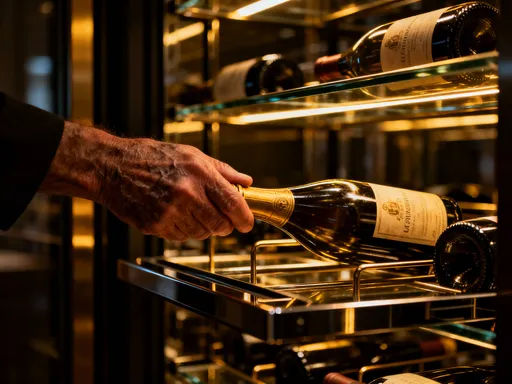
One of the most overlooked aspects of wine investing is the cost and complexity of proper storage. Unlike stocks or bonds, wine is a perishable asset that requires specific environmental conditions to maintain its quality and value. Ideal storage involves a constant temperature of around 55°F (13°C), humidity levels between 60% and 70%, protection from light and vibration, and horizontal bottle positioning to keep corks moist. Failure to meet these conditions can lead to spoilage, evaporation, or cork failure—all of which diminish the wine’s marketability. For serious investors, this means avoiding home cellars unless they are professionally built and monitored. Instead, the standard practice is to use third-party bonded warehouses, which are secure, climate-controlled facilities designed specifically for wine storage.
These facilities offer more than just climate control—they also provide insurance, inventory management, and authentication services. Many are bonded, meaning they are approved by customs and tax authorities, allowing wine to be stored without immediate payment of duties or VAT. This can be a significant financial advantage, particularly for investors in high-tax jurisdictions. However, these benefits come at a cost. Annual storage fees typically range from $10 to $25 per case, depending on location and service level. Additional charges may apply for insurance, handling, or transportation. While these expenses may seem modest, they accumulate over time and must be factored into any return calculation. For example, a $10,000 investment in wine could incur $150–$300 in annual fees, reducing net gains over a 10- or 20-year holding period.
Security is another critical consideration. High-value wine collections are attractive targets for theft, making insurance essential. Comprehensive wine insurance covers losses due to theft, fire, flooding, and accidental breakage, but premiums vary based on location, storage method, and collection value. Investors must also consider transaction costs when buying or selling. Online platforms and auction houses charge fees on both sides of the trade—sellers pay commissions, and buyers often pay a premium. These costs can total 20% or more of the final sale price, significantly impacting profitability. Furthermore, when selling through auction, there is no guarantee the reserve price will be met, adding uncertainty to the exit strategy. All of these factors underscore the importance of treating wine investing as a serious financial endeavor, not a casual hobby. Only by accounting for the full cost structure—from acquisition to storage to sale—can investors make informed decisions and achieve sustainable returns.
How to Enter the Market: Platforms, Auctions, and Advisors
For those interested in entering the wine investment market, several pathways exist, each with its own advantages and learning curves. One of the most accessible options is through online wine investment platforms, which have grown in popularity over the past decade. These platforms—such as Vinovest, Cult Wines, or Wine Invest—offer curated portfolios of investment-grade wines, handle procurement, storage, insurance, and even resale, providing a turnkey solution for beginners. They often use algorithms and market data to recommend allocations based on risk tolerance and investment goals, making it easier for individuals to build diversified portfolios without deep expertise. These services also provide transparency, with regular valuations and performance tracking, allowing investors to monitor their holdings like any other financial asset.
For more experienced collectors or those seeking rare bottles, traditional auction houses remain a primary marketplace. Sotheby’s, Christie’s, and Zachys regularly host fine wine auctions featuring legendary vintages and complete collections. These events attract global bidders and can achieve record prices, but they require knowledge of bidding strategies, buyer’s premiums, and authentication processes. First-time participants may benefit from working with a specialist advisor who can guide them through the process, verify provenance, and help set realistic budgets. Some auction houses also offer pre-sale estimates and condition reports, which are invaluable for assessing value and risk.
Another option is to work with a wealth manager or financial advisor who specializes in alternative investments. An increasing number of private banks and family offices now include fine wine as part of diversified portfolios, recognizing its role in risk mitigation and long-term growth. These professionals can help integrate wine into a broader financial plan, ensuring that it complements other assets rather than duplicating risk. They may also provide access to exclusive allocations, such as en primeur offerings or private tastings, enhancing the overall experience. For those who prefer direct ownership, joining a wine club or collector’s network can provide education, networking opportunities, and access to trusted sources. Regardless of the entry point, the key is to start with clear goals, conduct thorough research, and seek expert guidance to avoid common pitfalls and build a credible, profitable wine investment strategy.
Wine and Wealth: Where Passion Meets Prudence
The true appeal of wine investing lies in its unique ability to blend emotional fulfillment with financial discipline. Unlike abstract financial instruments, wine is a sensory asset—one that can be seen, smelled, tasted, and shared. It connects investors to history, craftsmanship, and culture in a way that few other investments can. A bottle of 1945 Mouton Rothschild is not just an asset; it is a piece of post-war French heritage. A magnum of 1990 Dom Pérignon is not merely a sparkling wine; it is a celebration captured in time. This duality enhances the investment experience, making it more meaningful and engaging than watching stock prices fluctuate on a screen.
Yet, for all its charm, wine must be approached with the same rigor as any serious financial decision. Emotional attachment should not override sound strategy. Investors must resist the temptation to open their best bottles prematurely or hold onto underperforming vintages out of sentiment. Success comes from treating wine as part of a disciplined, long-term wealth plan—one that includes clear goals, regular reviews, and professional oversight. When integrated thoughtfully, wine can enhance portfolio resilience, reduce overall risk, and provide returns that rival or exceed traditional assets.
Ultimately, fine wine investing is not about getting rich quickly. It is about building wealth slowly, steadily, and with intention. It rewards patience, knowledge, and care. For the discerning investor—particularly those who appreciate both financial prudence and life’s finer pleasures—wine offers a rare opportunity: to grow wealth while also enriching life. In a world of fleeting trends and volatile markets, a well-curated cellar stands as a quiet testament to the power of time, taste, and thoughtful stewardship. It is not just an investment in bottles—it is an investment in legacy.